Senior Citizen Health Insurance

Senior citizen health insurance is necessary coverage for elderly people (60 years & above) who are at greater medical risk and have to deal with higher healthcare costs.

Get a Quote

Number of Adults

Age (Adults)

Select Coverage Amount

Number of Children

Age (Children)

Enter Pincode

By continuing, you agree to our Terms of Service and Privacy Policy

24x7

Claim Assistance

100%

plans offer lifetime renewal.

₹2 lakh – ₹50 lakh

coverage to suit needs.

Overview of Senior Citizen Health Insurance

Senior citizen health insurance is necessary coverage for elderly people (60 years & above) who are at greater medical risk and have to deal with higher healthcare costs. The most suitable policies would be those that provide coverage for inpatient, daycare, and pre-existing conditions with a strong sum insured and wide cashless hospital network along with affordable premiums. Give priority to insurers that have a good claim settlement ratio, clear policies for waiting periods for pre-existing conditions, and additional benefits like domiciliary care (home nursing) and cumulative bonuses. It is advisable to compare meticulously the exclusions, co-payments and the age limit for the renewal before selecting a plan that meets medical needs and budget.

Why Senior Citizen Health Insurance Matters

As people age, the risk of illness and medical expenses increases significantly. Senior citizen health insurance provides financial protection against hospitalisation, long-term treatments, and major procedures, preventing your savings from depleting. Many plans also cover age-related ailments and offer services like domiciliary care, making them a vital safeguard for retirees and their families. Choosing the right medical insurance for senior citizens ensures peace of mind and continuous healthcare support.

Benefits of Senior Citizen Health Insurance Plans

Senior citizen health insurance plans are designed to protect you from high medical expenses as you age. They provide coverage for hospitalisation, pre-existing conditions, and critical treatments, ensuring you and your family have financial security. Most plans also offer cashless treatment at network hospitals, along with wellness programs and preventive health check-ups to help you stay healthy.

Inpatient Hospitalisation Cover

Covers all costs for hospital stays, including room rent, nursing, ICU charges, surgeon and anesthetist fees, medical investigations, and medicines.

Coverage for Pre-existing Diseases

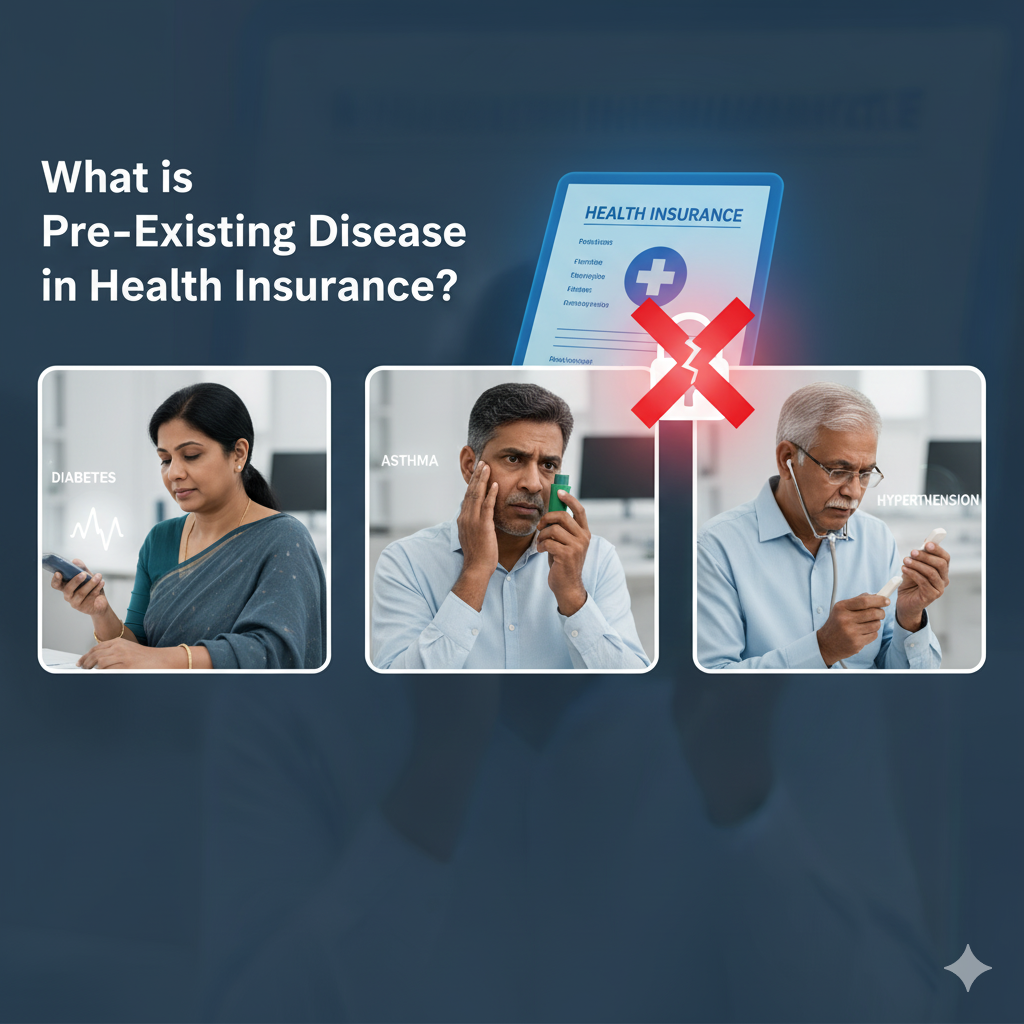
Policies cover chronic conditions like diabetes, hypertension, or heart disease after a waiting period, usually 24–48 months, so you can get treatment even if you already have health issues.

Day-Care Procedures

Covers medical procedures that don’t require a 24-hour stay, such as cataract surgery, dialysis, chemotherapy sessions, or minor surgeries.

Domiciliary Hospitalisation

Provides hospital-level treatment at home if hospital admission is not possible, ensuring you still receive proper care.

Ambulance & Emergency Care

Emergency ambulance charges are included when you need to be transferred to the nearest empanelled hospital.

Cashless Treatment

Most health insurance plans for senior citizens offer cashless facilities at network hospitals, meaning the insurer pays the hospital directly after pre-authorization.

Restoration Benefits / Sum Insured Top-ups

If your sum insured is exhausted during the policy year, it can be automatically topped up, giving additional coverage for emergencies.

Wellness & Preventive Benefits

Many plans include annual health check-ups, teleconsultations, wellness programs, and chronic disease management services.

No-Claim Bonus / Cumulative Bonus

Your sum insured may increase in the following year if no claims are made, rewarding you for staying healthy.

Lifelong Renewability

You can renew your policy every year for life, regardless of age, ensuring continuous protection for seniors.

Critical Illness Add-ons

Some insurers offer optional riders for critical illness or other special needs—always read the policy carefully before opting for these.

Compare What’s Covered vs. Not Covered in Senior Health Insurance Plan

What’s Covered

Optional riders like critical illness cover, hospital cash

No-claim / cumulative bonus

Wellness & preventive health check-ups

Restoration benefits / sum insured top-ups

Cashless treatment at network hospitals

Ambulance & emergency care

Domiciliary hospitalisation (home treatment when hospitalisation not possible)

Day-care procedures (cataract surgery, dialysis, chemotherapy, minor surgeries)

Pre-existing diseases after waiting period (diabetes, hypertension, heart conditions)

Inpatient hospitalisation (room rent, ICU, nursing, surgeon fees, medicines)

What’s Not Covered

Treatments excluded in policy brochure

Travel or overseas treatment (unless international cover is opted)

Fertility or maternity treatments (unless rider added)

Alternative medicine not covered under AYUSH (if policy excludes)

Out-of-network hospital bills without reimbursement filing

Injuries due to substance abuse or alcohol

Experimental or unproven treatments

Non-medical expenses (phone, TV, personal items)

Self-inflicted injuries or attempted suicide

Cosmetic procedures (like plastic surgery)

Not all health insurance plans are the same, so it’s important to know what’s included and excluded. Coverage typically includes hospitalisation, day-care procedures, and ambulance charges, while some treatments or pre-existing conditions may have waiting periods. Comparing what’s covered versus what’s not helps you choose the best plan for your needs.

What to Look for in Senior Citizen Health Insurance Policies

When choosing a policy, focus on no disease or treatment wise sub-limits, waiting periods, or exclusions for pre-existing conditions, adequate sum insured, and network hospital availability. Other important factors include co-payment clauses, deductibles, and optional riders that can enhance your coverage.

Lifetime Renewability

It is essential to choose a plan that offers lifetime renewability, which ensures your coverage continues uninterrupted as you grow older, giving you peace of mind.

Waiting Period for Pre‑existing Conditions

Always check how long the policy requires you to wait before covering pre-existing conditions. Shorter waiting periods, such as 24, 30, 36, or 48 months, are better because they allow you to claim sooner.

Sum Insured & Restoration Benefits

Make sure the plan provides an adequate sum insured to cover rising medical costs. Restoration or top-up benefits are valuable because they replenish your coverage if it gets exhausted during the policy year.

Room Rent Limits & Sub-limits

Check if the plan has any restrictions on room rent or ICU charges. Some policies cap these amounts, which can affect how much the insurer pays for hospitalisation.

Co-payment / Deductible Structures

Many senior plans require you to pay a portion of the claim, known as co-payment. While this reduces your premium, it increases your out-of-pocket expenses at the time of claim, so choose carefully.

Cashless Hospital Network Size

A large network of empanelled hospitals across cities ensures you can access treatment easily and avail cashless benefits during emergencies.

Coverage for Day-care & Domiciliary Care

It’s important that the plan covers common senior treatments like dialysis, cataract surgery, and home-based hospital-level care.

Pre- and Post-hospitalisation Periods

Check how many days of medical expenses before and after hospitalisation are covered to ensure comprehensive care.

Exclusions & Sub-limits

Carefully read the policy brochure to understand what is not covered and any limits on specific treatments or services.

Claim Settlement Ratio & Reviews

Review the insurer’s real-world claim settlement ratio and customer feedback to assess reliability and ease of claiming.

Add-ons / Riders Available

Some plans offer optional add-ons like critical illness coverage, hospital cash, or top-ups. Always check their pricing and value before opting in.

Grace Period & Free-Look Period

Make sure the plan provides a grace period for premium payment and a free-look period, which allows you to review the policy and make changes if needed after purchase.

FAQs

FAQs – Senior Citizen Health Insurance

Get quick answers to common questions about Senior Citizen Health Insurance.

1-5 of 9 Process

Health Insurance Providers in India

Policy Pal

Chat with PolicyPal